검색











소득공제
THE RISE OF THE KOREAN SOCIALIST MOVEMENT
- Nationalist Activities in Russia and China,1905-1921
-
판매가54,000원 54,000원 [0%할인]
-
적립금
- 1,620원 적립[3%P]

-
결제혜택


이 상품은 품절/절판상태입니다.
상품 문의하기This book is intended to be a study of the Korean revolutionary exiles in China and Russia, who strove to attain the independence of their country from Japanese colonial rule in the early twentieth century. This study covers the period from approximately 1905 (the establishment of a Japanese Protectorate) to 1921 (the foundation of the Korean Communist Party, Koryŏ Kongsandang). The author believes that Korean nationalists dominated the Korean resistance movement against Japanese colonial rule until 1921; but after 1921, the newly emerged Korean Communists attempted to win the hegemony of the anti-Japanese movement from non-Communists. _ p.vii ‘PREFACE’
Ever since Alexandra Kim came to the Russian Far East in the summer of 1917 from the Urals, she had worked to redirect the Korean nationalist movement toward Bolshevism. She and members of the Workers’ Union in the Urals had tried to establish a Korean Bolshevik organization in the Far East. In order to fulfill this plan, she had sought the release of Yi Tong-hwi who had great influence among the anti-Japanese Korean revolutionaries in Russia and Manchuria. _ p.199 ‘THE RUSSIAN REVOLUTION AND THE RISE OF THE KOREAN SOCIALIST MOVEMENT’
We can see the underlying reasons that the Socialist Party had for joining the Provisional Government through a letter which Yi Tong-hwi sent on November 27, 1919, to key leaders of the Korean nationalist movement in North Chientao. North Chientao, as we saw in Chapter 2, was the long-time base for the nationalistic activities of Yi Tong-hwi and his followers. In the letter, Yi Tong-hwi explained the reasons for his decision to join the Provisional Government and requested the leaders to support him and the Provisional Government. _ p.277 ‘FAILED UNITED FRONT’
Fourth, political or military interference from the outside, that is, the authorities of Japan, China and Russia inflicted the most critical wounds on the Korean liberation movement. Although Korean revolutionaries committed great effort to obtain favors from the Chinese and Russian authorities, their diplomatic relations were frequently interfered by Japan in opposition to the goals of the Korean liberation movement. _ p.351 ‘CONCLUSION’
출판사 서평
History of the Korean Socialist Party and
its Nationalist Origins
This book seeks to bring to light the lives of generally unknown early actors in the Korean independence movement rooted in Russia, China and the United States. The author introduces and analyzes the rise of the Korean socialist ...
History of the Korean Socialist Party and
its Nationalist Origins
This book seeks to bring to light the lives of generally unknown early actors in the Korean independence movement rooted in Russia, China and the United States. The author introduces and analyzes the rise of the Korean socialist movement in the context of the Korean national movement in the early 20th century.
최초의 사회주의 정당, 한인사회당의 역사와
민족주의적 기원
이 책은 20세기 초 러시아, 중국, 미국에서 전개된 한인민족운동에 활동했으나 그동안 알려지지 않았던 민족운동의 인물과 관련 단체에 관한 연구이다. 한국 사회주의운동을 고립적·독립적인 분야로 분리해서 연구해온 국내외 학계의 연구 방식에서 벗어나, 전체 민족운동의 역사 속에서 한국 사회주의운동을 자리매김하고 분석하고자 시도한 연구 성과이다.
책 소개
A study of the activities of Korean revolutionaries who strove to attain the independence of their country in Russia, China and the United States in the early 20th century
This book is intended to be a study of the Korean revolutionary exiles in China and Russia, who strove to attain independence in their country. The author introduces how the Korean socialist movement was undertaken by Korean revolutionaries in the Russian Far East and North Chientao, by tracing and analyzing the activities and the political ideologies of the Korean nationalists.
The author deals with the history of Korean emigration to the Russian Far East and North Chientao and the relationships and activities of the Korean nationalist organizations in Russia, China and the United States. The author explains the historical background and the Far Eastern international environment in which the Korean Socialist Party was organized in the spring of 1918 after the Russian Revolution.
The author highlights the activities of the leaders of the Korean Socialist Party, Yi Tong-hwi and Kim Rip, who had joined the Korean Provisional Government in Shanghai. Furthermore, their relationship with An Chang-ho and Syngman Rhee is discussed. The author also presents the diplomatic activities of the members of the Koreans Socialist Party, Pak Chin-sun and Han Hy?ng-kw?n in Moscow.
20세기 초 러시아, 중국, 미국에서 활동한 한인 혁명가들에 대한 생생한 기록
이 책은 20세기 초 중국과 러시아에서 한국의 독립을 획득하기 위해 활동한 한인 혁명가들에 대한 연구이다. 저자는 러시아, 중국, 미국에서 활동한 한인 지도자들과 단체들의 활동 및 노선을 추적함으로써 한인 사회주의운동이 시작된 역사적 배경과 과정을 밝혔다.
저자는 또한 19세기 후반 이후 러시아 극동과 북간도 지역에 한인 동포 사회가 형성되는 역사와 러시아, 중국, 미국에서 활동한 한인 민족운동 단체와 주요 지도자들의 활동과 상호 관계를 밝혔다. 이 책에서는 1917년 러시아혁명 이후인 1918년 봄, 러시아 극동의 한인 사회에서 한인사회당이 조직되는 역사적 배경을 동아시아의 국제적 맥락 속에서 설명하고 있다.
특히 저자는 삼일운동 이후 상하이에서 수립된 대한민국임시정부에 참여하게 되는 이동휘, 김립 등 한인사회당 지도자들과 이승만, 안창호 등 민족주의 지도자들 간의 관계, 그리고 박진순, 한형권 등 한인사회당 당원들이 모스크바에서 전개한 대소련 외교 활동을 새롭게 정리하여 소개하고 있다.
목차
Chapter One
KOREAN EMIGRATION TO NORTH CHIENTAO AND THE RUSSIAN FAR EAST
A. Historical Background
B. Korean Emigration to North Chientao
C. Korean Emigration to the Russian Far East
Chapter Two
KOREAN NATIONALIST MOVEMENT IN THE RUSSIAN FAR EAST AND NORTH CHIENTAO, 1905-1916
A. Loyalists Urge Patriotism
B. Nationalism Develops
C. The Nationalist Movement Advances
D. The World War I and the Korean Nationalists
Chapter Three
THE RUSSIAN REVOLUTION AND THE RISE OF THE KOREAN SOCIALIST MOVEMENT
A. Korean Communities under the Russian Provisional Government
B. October among the Koreans
C. Korean Socialists under the Intervention
Chapter Four
KOREAN SOCIALISTS AND THE MARCH FIRST MOVEMENT
A. Developing a Strategy
B. The Korean National Council in Vladivostok and the Korean Provisional Government in Shanghai
C. The Dissolution of the Korean National Council
Chapter Five
FAILED UNITED FRONT: THE KOREAN SOCIALIST PARTY AND THE SHANGHAI PROVISIONAL GOVERNMENT
A. Between Shanghai and Vladivostok
B. Disputes In Diplomacy
C. Growing Schism
D. Defeat at Two Fronts
Chapter Six
CONCLUSION

이 분야의 베스트셀러
-

역사저널 그날 조선 전기 4권세트
44,550원
(10%↓+5%P)
-
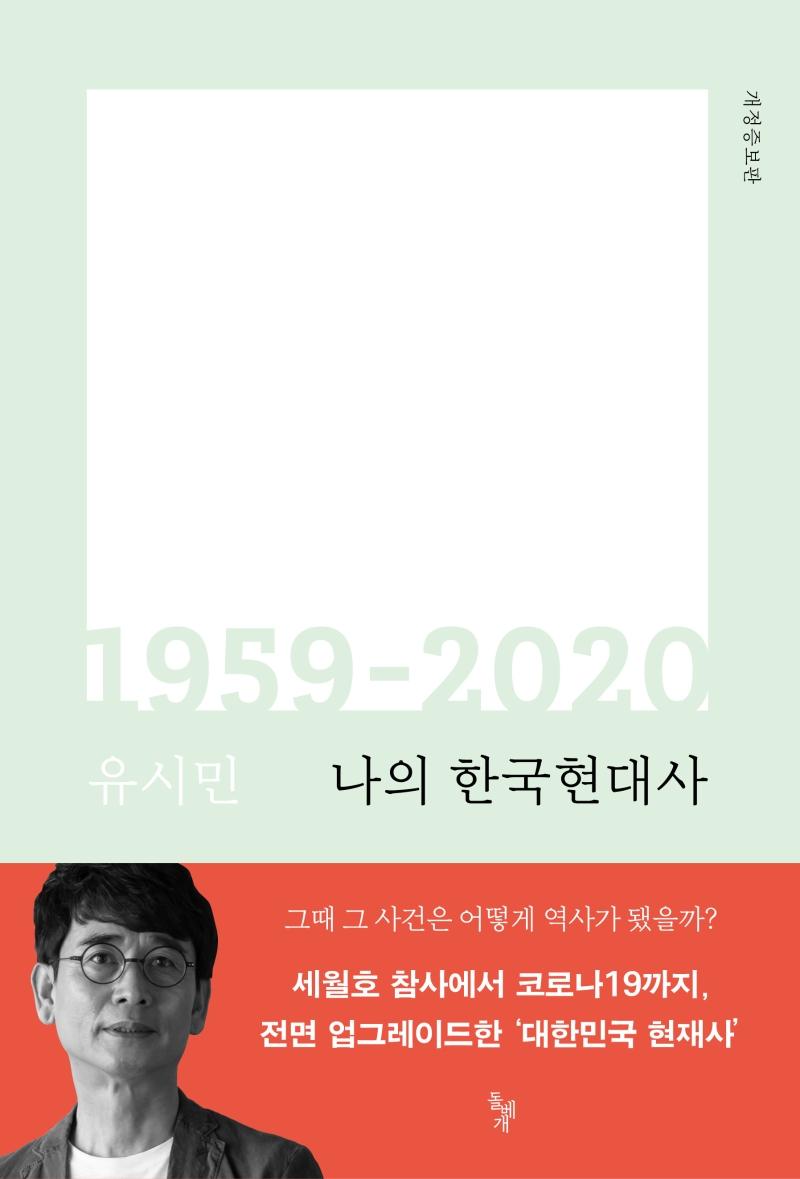
나의 한국현대사
16,200원
(10%↓+5%P)
-
설민석의 무도 한국사 특강
18,000원
(10%↓+5%P)
-
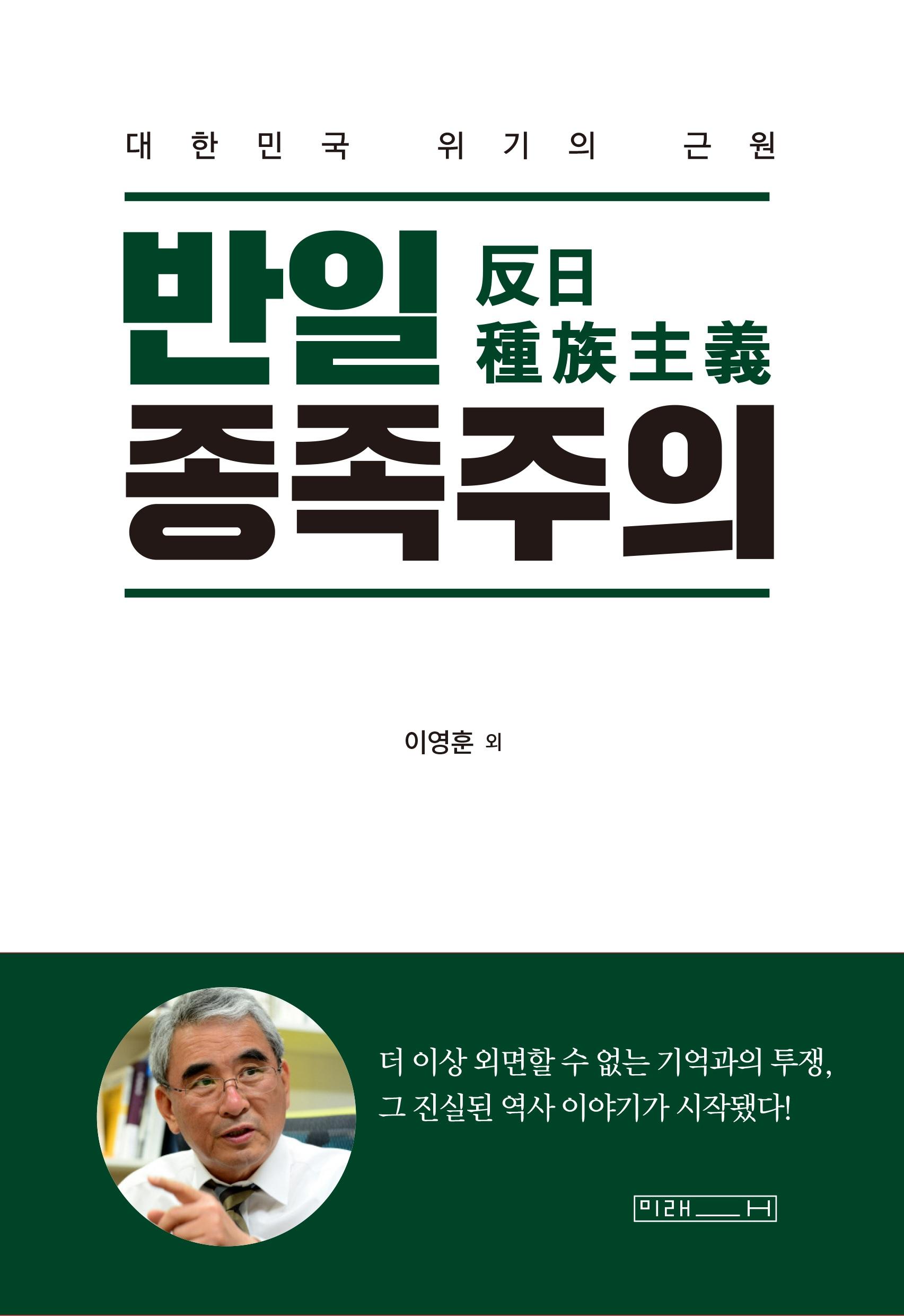
반일 종족주의
18,000원
(10%↓+5%P)
-
한권으로 읽는 조선왕조실록
16,200원
(10%↓+5%P)
-
나의 한국현대사 1959-2020 [개정증보판]
17,100원
(10%↓+5%P)
-
징비록 [2014 개정증보판]
10,710원
(10%↓+5%P)
-
한국사능력검정시험 고급(1ㆍ2급) 기출이 답이다(2016)[5쇄]
14,400원
(10%↓+5%P)
-
발해고
9,000원
(10%↓+5%P)





;)
;)