검색









도서 표지 크게보기
미리보기 ()

선물하기

- - 휴대폰번호, 이메일로 선물을 전송해보세요.
- - 배송주소는 선물을 받는 분이 직접 입력합니다.
- - 쇼핑카트에서도 선물하기가 가능합니다. 추천! 모바일 선물 더보기
-
수량
-
배송비15,000원 이상 구매시 배송비 무료
-
출고예정일2026년 11월 26일(목) (목)

-
판매가15,000원 13,500원 [10%할인]
-
적립금
- 750원 적립[5%P]

-
결제혜택


-
수량
-
배송비
15,000원 이상 구매시 배송비 무료
-
출고예정일2026년 11월 26일(목)
※출고 예정일은 도서 재고상황에 따라 변동 될 수 있습니다.
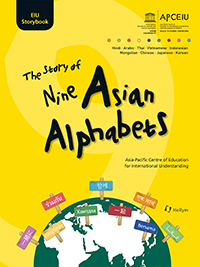
기획 유네스코 아시아태평양 국제이해교육원
Planned by Asia-Pacific Centre of Education for International Understanding under the auspices of UNESCO
‘평화의 문화를 위한 교육’이라는 이념 안에서 아시아태평양 지역 47개 유네스코 회원국들과 함께 국제이해교육을 증진, 발전시키기 위해 유네스코 본부와 대한민국 정부 간 협정에 의해 2000년도에 설립된 유네스코 산하기구
Education for International Understanding (EIU) is UNESCO’s important enterprise for dealing with various problems that the international society is facing. EIU which aims to build a Culture of Peace generically conducts education for multicultural understanding, peace education, human rights education, sustainable development education, globalization education and others to create a peaceful and inclusive world for sustainable development. www.unescopceiu.org
글 Written by
이재숙 Lee Jae Sook
한국외국어대학교 인도어과 강사 Instructor, Oriental Languages Program, Hankuk University of Foreign Studies
공지현 Kong Ji-Hyun
한국외국어대학교 통번역대학원 한-아과 강사 Instructor, Arabic Department, Hankuk University of Foreign Studies
김홍구 Kim Hongkoo
부산외국어대학교 태국어과 교수 Professor, Department of Thai, Busan University of Foreign Studies
안경환 Ahn Kyong Hwan
조선대학교 외국어대학 교수 Professor, College of Foreign Studies, Chosun University
신윤환 Shin Yoon Hwan
서강대학교 정치외교학과 교수 Professor, Department of Political Science, Sogang University
김장구 Kim Janggoo
동국대학교 문화학술원 전임연구원 Researcher, Dongguk Academy of Cultural Studies
류동춘 Ryu Dongchoon
서강대학교 중국문화전공 교수 Professor, Department of Chinese Culture, Sogang University
오미영 Oh Miyoung
숭실대학교 일어일본학과 부교수 Professor, Department of Japanese Language and Literature, Soongsil University
정병규 Chung Byoung-Kyoo
정병규디자인 대표 President, Chung Byoung-Kyoo Design
그림 Illustrated by
조민석 Jo Min Seok

이 분야의 베스트셀러
-
총 균 쇠 [개정판]
25,200원
(10%↓+5%P)
-
나의 문화유산답사기 7
21,600원
(10%↓+5%P)
-
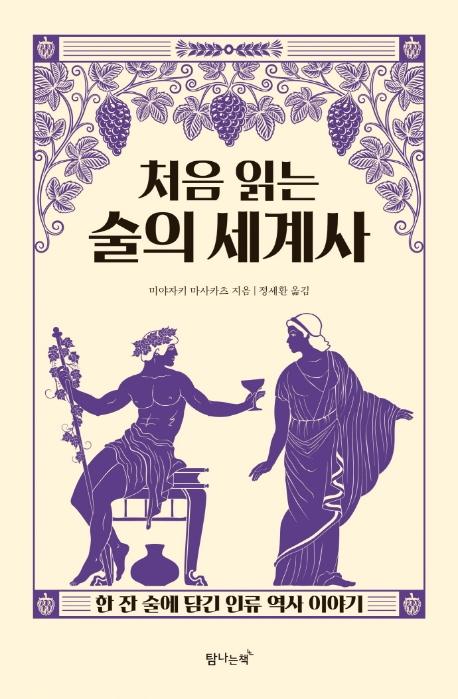
처음 읽는 술의 세계사
14,400원
(10%↓+5%P)
-
나의 문화유산답사기 1
20,700원
(10%↓+5%P)
-
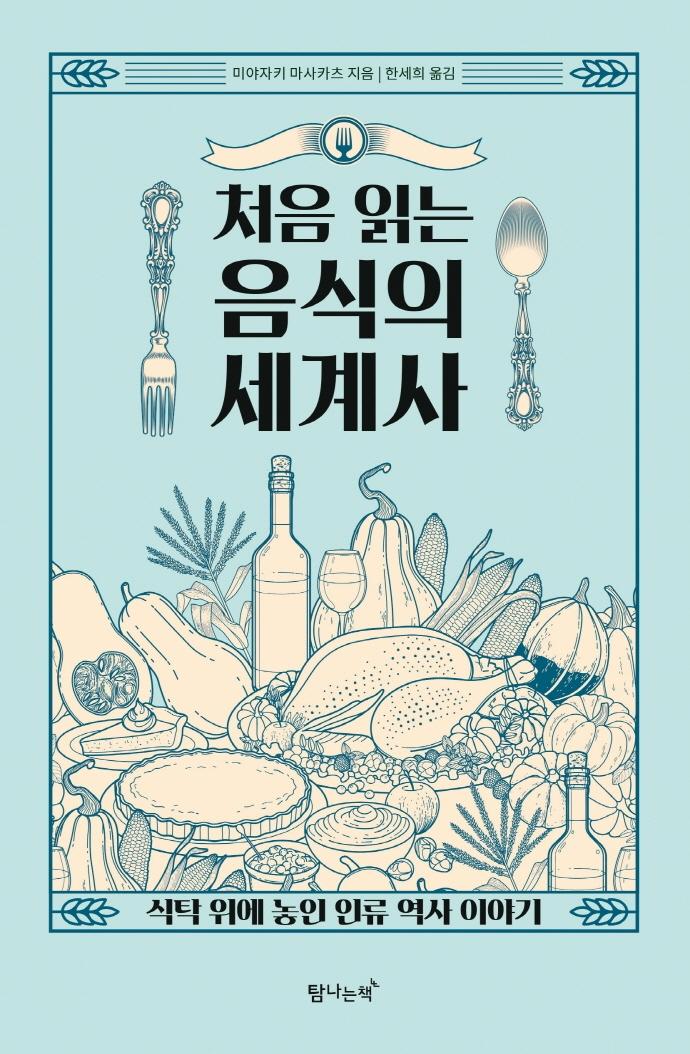
처음 읽는 음식의 세계사
14,400원
(10%↓+5%P)
-
나의 문화유산답사기 9
20,700원
(10%↓+5%P)
-
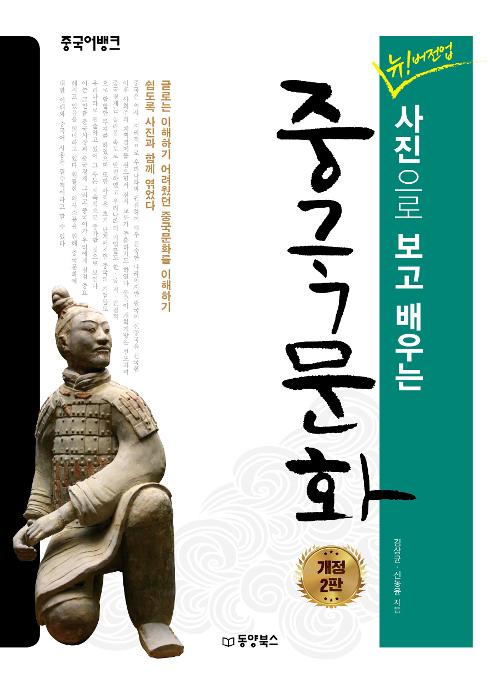
뉴!버전업 사진으로 보고 배우는 중국문화
15,500원
(0%↓+3%P)
-
나의 문화유산답사기 10
18,000원
(10%↓+5%P)
-
세계사를 바꾼 13가지 식물
14,850원
(10%↓+5%P)






;)
;)